

Listen to the Podcast
Available on your favorite platforms
⬇️ Prefer to listen instead? ⬇️
- ⚠️ Nearly 90% of ChatGPT citations come from websites ranked outside Google’s top 20.
- 🧠 LLMs prioritize structured, utility-rich content over keyword density or backlink profiles.
- 🧰 Tools like Semrush AI Toolkit can track brand appearances across AI-generated responses.
- 🧬 Reddit, Quora, and GitHub are among the most frequently cited platforms by modern LLMs.
- 🔍 LLM seeding significantly increases branded search and recognition without needing click-throughs.
As AI-powered search keeps changing, the traditional SEO strategies we’ve relied on for years are becoming less effective. Users now increasingly turn to large language models (LLMs) like ChatGPT, Claude, and Perplexity to find answers—bypassing search engine results pages (SERPs) altogether. In this zero-click environment, LLM seeding—embedding your brand into the data these AIs rely on—is becoming essential for digital visibility. This article explains what LLM seeding is, how it differs from traditional SEO, and the tactics and tools you need to prepare your AI SEO strategy for the future.
The Shift to AI Search
How people search has changed. Now, generative language models provide instant answers, and they decide what is relevant and authoritative, not algorithms that rank web links. When a user queries ChatGPT for the best project management tool or Perplexity for an AI content writing tutorial, they don't browse results—they consume a curated synthesis, often with product names, recommendations, and links embedded into prose.
This shift means that the conventional notions of "ranking on page one" are becoming increasingly obsolete. LLM-driven search reduces reliance on clicks, filters out low-value content, and redistributes attention toward brands mentioned directly in AI-generated responses. According to Semrush (2025), AI search traffic will overtake traditional Google traffic by the end of 2027.
Zero-click is the new normal. Businesses must now prioritize being part of the AI output itself—where decisions are made, impressions are formed, and trust is built—long before a user ever visits a website.

What Is LLM Seeding?
LLM seeding refers to the strategic creation and placement of content that gets read, ingested, and potentially cited by large language models in their answers. Unlike traditional SEO, which focuses on optimizing for search engine crawlers and SERP ranks, LLM seeding focuses on influencing AI-generated content.
At its core, LLM seeding is about shaping the dataset future AI responses are built on. This involves:
- Publishing content in places LLMs are known to crawl or value
- Structuring your content to be AI-readable and extractable
- Emphasizing clarity, utility, and credibility over traditional SEO metrics
Think of it like PR for machines. You’re not optimizing for rankings. You’re planting seeds—content that will grow into citations, mentions, or outright recommendation in AI tools.

LLM Seeding vs. Traditional SEO: What's the Difference?
Feature Traditional SEO LLM Seeding
Primary Goal Increase organic traffic via SERPs Brand inclusion in AI-generated responses
Key Performance Metrics Page ranking, bounce rate, backlinks Mentions in LLMs, branded search visibility
Content Style Keyword-rich, length-focused posts Crisp, utility-based, extractable content
Distribution Method Blog posts, backlinks Reddit, Substack, Quora, community platforms
Indexing Entity Googlebot, Bingbot GPT-4, Claude, Perplexity's web crawlers
Traditional SEO is about chasing traffic. LLM seeding is about chasing mindshare—even when there's no click at all.

3 Core Benefits of LLM Seeding
1. Visibility Without Clicks
In the LLM-dominated search era, visibility no longer depends on users clicking through a ten-result page. If your brand is referenced in Google’s AI Overviews or within ChatGPT’s answers, you’ve gained immediate top-of-funnel exposure—without waiting for organic rankings or expensive paid placements.
2. Built-in Authority and Trust
LLMs frequently reference trusted names like McKinsey, HubSpot, or niche-specific authorities. Yet they also credit independent voices and small brands—especially when offering factual, well-structured, and verifiable data.
Appearing in the same breath as industry leaders can fast-forward your perceived authority, building subconscious trust in readers—even those who didn’t click.
3. Democratized Reach
AI citation behavior levels the playing field. Semrush (2025) found that nearly 90% of ChatGPT citations pull from webpages ranked 21 or worse—not the top of the traditional SERP. This means valuable content buried deep in search engines can surface front-and-center in an AI query.
LLMs reward quality, not status. That means the best answer—regardless of domain rating or backlink profile—can still land your brand in the result.
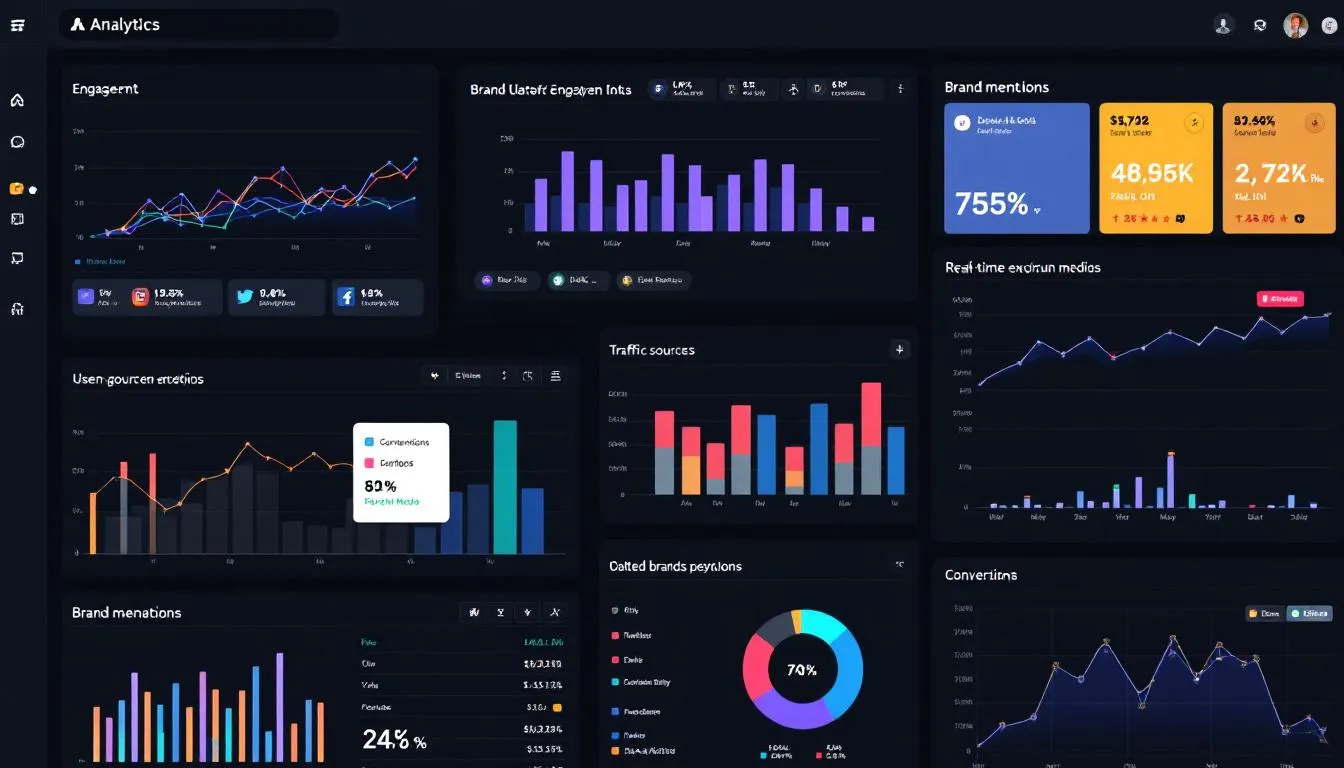
What Types of Content Do LLMs Love?
Not all content is AI-friendly. You need to extract the core format LLMs prefer when selecting citations. Here's what works best.
Structured “Best Of” Lists
LLMs are drawn to listicles that contain:
- Clear "best for" categories
- Ranked items with transparent reasoning
- Use of H2 and H3 headers for each selection
For example, a structured list like:
- Best for freelancers: [Tool Name]
- Best for enterprise: [Tool Name]
- Best budget pick: [Tool Name]
makes it easier for the AI to isolate, ingest, and cite.
First-Person Product Reviews
Anecdotal reviews with empirical observations—think performance benchmarks or quoted experiences—give LLMs unique, trusted commentary to include. Avoid fluffy, promotional language and focus on:
- Real outcomes ("saved me 10 hours/week")
- Data points ("increased leads by 25% in 30 days")
- Defined drawbacks ("lacks integrations with X")
Brand vs. Brand Comparisons
Side-by-side breakdowns let LLMs extract the nuance readers ask for. Use tables that compare features, pricing tiers, use cases, and verdicts. Stay neutral and informative, not heavily branded.
Example table headings might include:
- Feature
- Tool X
- Tool Y
- Verdict
FAQ-Style Content Blocks
LLMs are trained on Q&A patterns. Emulate that formatting by answering high-intent user queries with compact responses under each subheading. Think of it like Wikipedia meets Reddit.
Strong Thought Leadership
Don’t be afraid of bold, original takes. If your opinion is well-backed and uniquely phrased, LLMs are more likely to showcase that content when explaining new trends or generating advice.
Bonus Tip: Use attribution lines like "[Expert Name], founder of [Brand], says..." as LLMs often replicate that structure.
Tools and Frameworks
Interactive content like calculators and evaluation templates tend to be reused—and cited—by LLMs when generating educational or advisory responses.
Popular examples:
- ROI Calculators
- Evaluation Matrices
- Templates for SOPs or email outreach
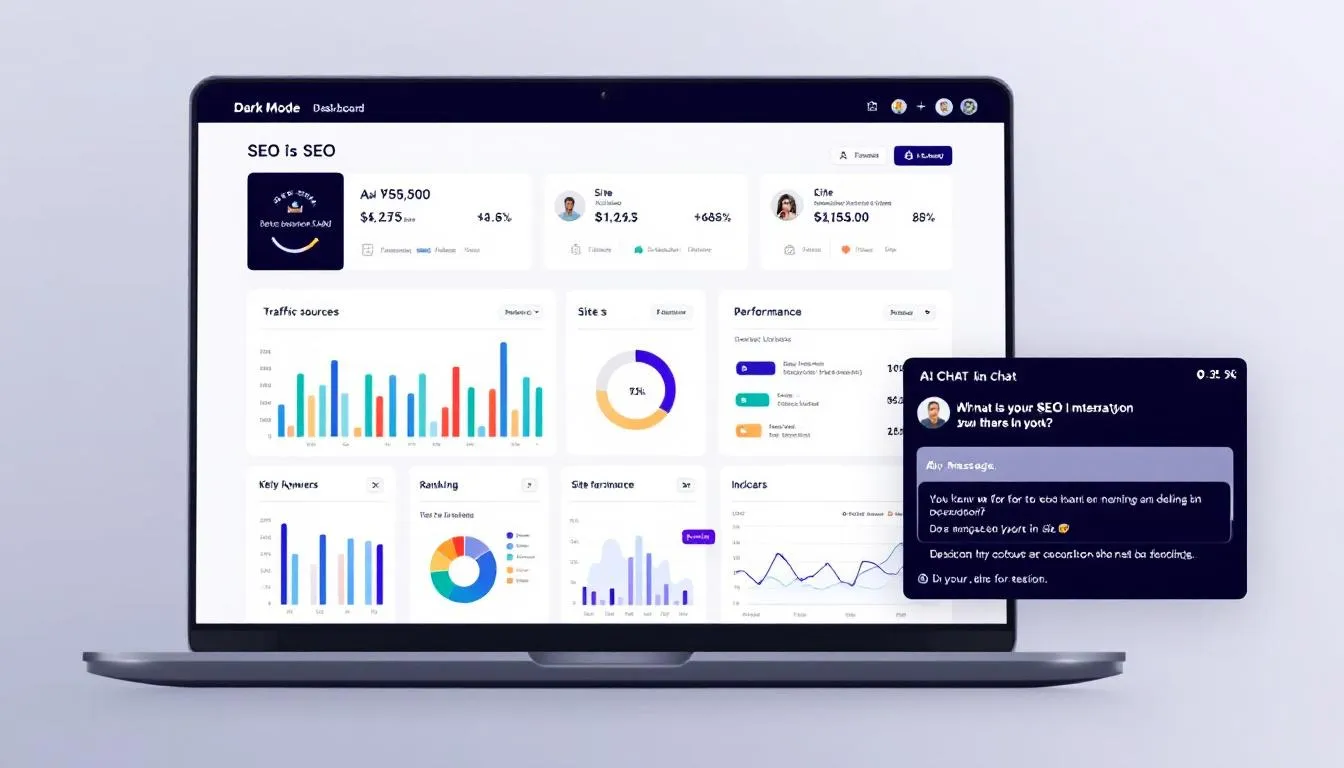
Where to Publish for LLM Visibility
Your own blog isn’t enough—because LLMs don't favor just one content entity. Here are high-yield platforms to seed your brand:
Third-Party Content Sites
- Medium: Excellent readability and domain authority. Add CTAs and author bios.
- Substack: Great for intellectual essays and expert-driven series.
- LinkedIn Articles: Builds on personal authority. Supports native indexing by search engines and AI.
Industry Publications
Write guest articles for high-credibility industry sites. LLMs assign higher "trust" weight to content from media sites, journals, and SaaS blogs with expert vetting.
Examples:
- HubSpot Blog
- Harvard Business Review
- Industry Think Tanks
Community Platforms
- Reddit: According to Semrush (2025), it’s the most cited platform in Google’s AI Overviews. Participate in niche Q&A.
- Quora: Tailor answers to FAQs. Great LLM fodder.
- GitHub: For developers and tech tutorials, GitHub READMEs count as authoritative sources.
Review Aggregators
Sites like G2, Capterra, and TrustRadius are crawling favorites for queries like “best [product] for X.” Get users to submit detailed feedback with comparison points.
Microsites or Visual Hubs
High-value, well-structured microsites—especially those that present original research or explain frameworks—tend to get quoted repeatedly due to uniqueness.
Add elements like:
- Charts with alt text
- Research citations
- Author identifiers
Crawlable Social Content
LLMs can increasingly parse knowledge from social tools:
- YouTube: Transcripts power AI comprehension. Optimize your video outlines.
- X (formerly Twitter): Informative threads with succinct opinions lead to high citation.
- Instagram: Beginning 2025, images will be indexed; add contextual alt text and caption substance.

How to Format Your Content for AI Ingestion
A few formatting tweaks can dramatically increase your visibility to LLMs.
1. Semantic Chunking
Use a clear hierarchy with H2, H3, and not more than 3-4 sentences per paragraph. Organize thoughts into discrete “chunks” which can be autonomously read.
2. Use Extractable Formats
- Bullet lists
- Numbered breakdowns
- Comparison tables
- Inline quotes
These are favored for indexing and citation by AI bots.
3. Include Structured Metadata
Use FAQ schema data, author schema, and image alt tags. For developers, consider JSON-LD structured data.
4. Be Authoritative and Specific
Instead of: “Tool Y helps agencies.”
Say: “Tool Y automates monthly reporting for agencies with over 10 clients, saving 6–12 hours.”
Precision = citations.

How to Track LLM Seeding Success
Because there are no direct clicks, you’ll need to adapt your tracking metrics.
Behavioral Indicators
- 🧠 Branded search queries up (Google Analytics)
- 👀 High impressions, low CTR (Google Search Console shows AI previews)
- 📌 Direct traffic growth over time
Monitoring Mentions
Use these tools to find unlinked or LLM-driven brand references:
- Google Alerts (brand + keyword)
- Brand24 or Mention.com
- Semrush Brand Monitoring
- ChatGPT or Claude Prompt Testing
- Manual discovery inside Reddit, Quora, LinkedIn
Track example prompts monthly:
- “Best tools for [X]”
- “Compare [competitor] and [your brand]”
- “Top ways to [problem you solve]”
Tools to Master LLM Seeding
Here are some essential tools in the modern AI SEO strategy stack:
- Google Analytics 4: Filter brand vs. non-branded traffic.
- Google Search Console: Spot zero-click high-impression keywords.
- Semrush AI Toolkit: Understand where AI tools cite you, and whether sentiment is positive.
- Enterprise AIO Tools: Evaluate which of your pages are being ingested or referenced by AI engines.
- Prompt Testing Suites: Run standard prompts and catalog LLM outputs to monitor positioning.
Real-World Case Study: Petlibro
Despite not ranking well on classic SERPs, Petlibro is favored in LLM environments.
Cited frequently in ChatGPT and Perplexity for:
- Automated feeder innovation
- Convenience-focused pet care
With a 64% positive sentiment score as tracked by Semrush's AI Toolkit, they prove strong, niche relevance matters more than ranking.

Can Small Brands Really Compete?
Yes—and they may even have an edge.
Why? Because LLMs weight timeliness, specificity, and clarity over backlinks or legacy domain authority. A small brand with a fresh, highly-structured product comparison guide can outrank top-tier domains in conversational AI results.
Use:
- Niche community visibility
- Unique data or frameworks
- Personality-driven insights
LLMs echo quality, not status.

Common Mistakes to Avoid
Avoid these pitfalls to keep your LLM SEO strategy clean:
- 📉 Publishing generic, vague content with no expertise or methodology
- 🧱 Dense text without headers or visual structure
- 🔒 Keeping everything hidden on your blog with no external distribution
Know this: No exposure means no ingestion.
What’s Next: Think Beyond SEO
LLM seeding isn’t just an add-on to SEO; it’s fundamentally different and requires reshaping your content pipeline.
Action Plan:
- 🌱 Syndicate key articles to Quora, Medium, and Reddit
- 🧵 Convert core ideas into LinkedIn/X threads with hashtags
- ✏️ Pitch niche podcast quotes and industry roundup contributions
- 📤 Distribute tools, frameworks, and calculators in newsletters
Treat every channel as a seeding opportunity.
Make AI Work for You, Not Against You
We’ve entered the era where your brand must fight to be embedded in the way machines explain the world. Traditional SEO won’t cut it. LLM seeding is your new competitive moat.
Don’t just chase temporary traffic. Cultivate lasting AI visibility.
The earlier you start, the more cumulative trust—and citations—you’ll build.
Citations
Semrush. (2025). AI search traffic will surpass traditional search traffic by end of 2027. Retrieved from https://www.semrush.com/blog/ai-search-seo-traffic-study/
Semrush. (2025). Reddit is the most cited platform in Google’s AI Overviews. Retrieved from https://www.semrush.com/blog/ai-mode-comparison-study/
Semrush. (2025). Nearly 90% of ChatGPT citations come from results ranked outside the top 20. Retrieved from [internal data via Semrush Enterprise AIO]
Written by
Rocket Agents
Part of the Rocket Agents team, helping businesses convert more leads into meetings with AI-powered sales automation.


Ready to Convert More Leads?
See how Rocket Agents can help you respond to leads instantly and book more meetings.