
Listen to the Podcast
Available on your favorite platforms
⬇️ Prefer to listen instead? ⬇️
- Google Ads Keyword Planner often suggests keywords with lots of searches but low buying interest. This leads to expensive ad campaigns that don't work well.
- Ahrefs checks over 19 billion keywords. It shows click data and competition scores to help you target better.
- AI can create different ads, help SEO and PPC work together, and make your Quality Scores higher. This can cut down how much you pay per click.
- On average, advertisers get back $2 for every $1 they spend on Google Ads. This shows why smart keyword choices matter.
- Using broad match keywords too much or not using negative keywords wastes ad money and gives you less return on your investment.
Getting clicks is only half the battle. Good PPC campaigns don't just try to reach everyone. They reach the right people smartly. Google Ads has keyword tools, but getting the most return needs more tools and a smart approach. This includes using AI, looking at what competitors do, and matching keywords to your content. In this guide, we'll show you a strong, updated way to do PPC keyword research. This way helps you get more sales with fewer wasted clicks.
What Is PPC Keyword Research—And Why Google Ads Alone May Not Be Enough
PPC keyword research is when you find the words your potential customers type into search engines. You can bid on these words on ad platforms like Google Ads to show your brand to them. This helps you write good ads that show up when people are most ready to buy. The goal is often to get more sales for less money.
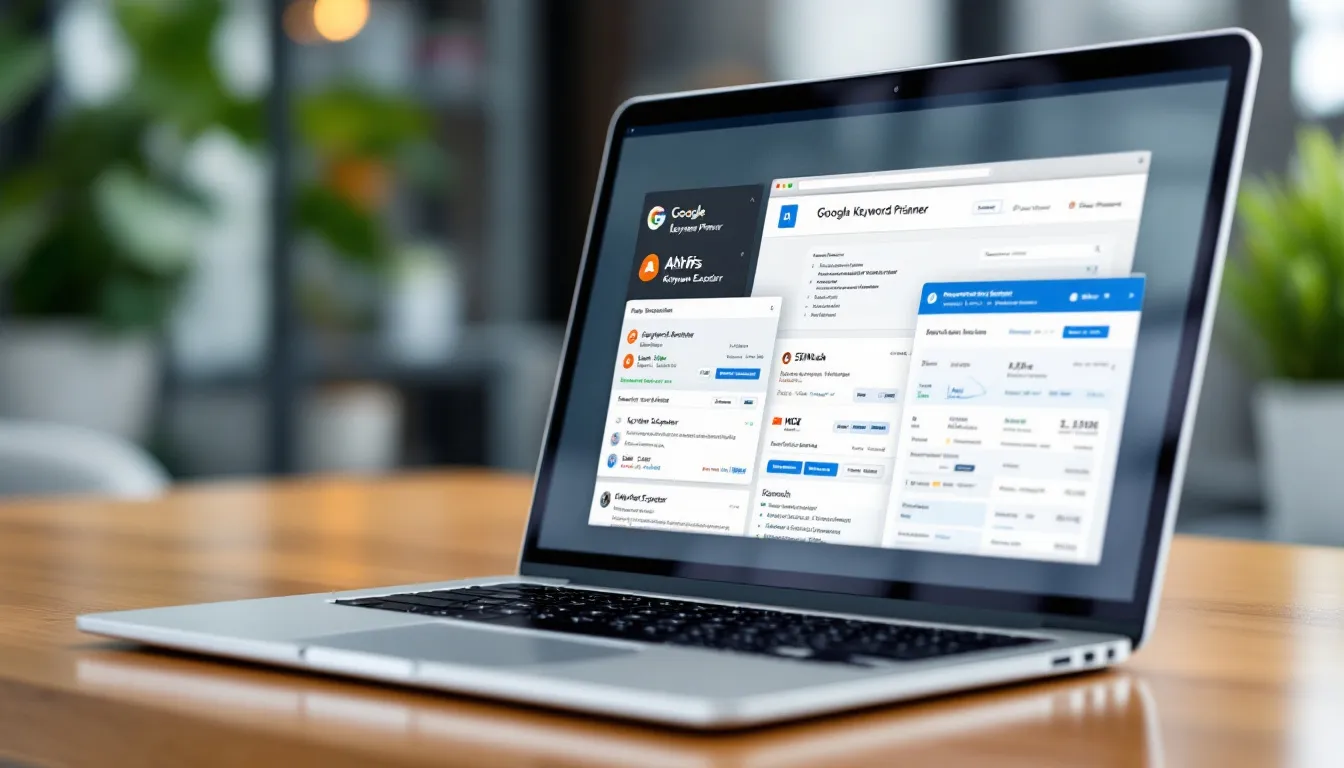
Google Ads has a tool called Keyword Planner built in. It can guess how many people search for something and how much clicks might cost. But this tool has big limits:
- It often suggests wide keywords that many people search for, but these might not show people want to buy something.
- The numbers for how many people search are often grouped together or not correct.
- It doesn't show you how competitive keywords are, like how profitable they are, if they are trending, or if ads have been used for a long time.
If you only use Google's view, you're trying to win without seeing everything. To bid well, you need to use other data sources and use AI to help with your plans.

Step 1: Use a Keyword Database for Low-Cost, High-Intent Keywords
To run smart, profitable campaigns now, you need more than just basic data. Other keyword databases give you helpful, deep details you don't see in Google Ads.
Popular tools like Ahrefs, Ubersuggest, SEMrush, or Moz add much more help to your planning. For example:
- Ahrefs checks over 19.2 billion keywords around the world on many search engines.
- SEMrush gives detailed ratings for how hard it is to rank for a keyword and shows how keywords have changed over time.
- Ubersuggest brings together suggestions for keywords that show people want to buy something. It also gives details on click costs.
These tools help you:
- Focus on longer keywords that have less competition but are more specific (like “emergency plumber in Boston”).
- Understand how hard keywords are to find to know if you can rank for them.
- See click numbers: keywords with lots of searches but no clicks might not lead to sales.
Also, look for words that show people want to buy, like:
- “Buy”
- “Hire”
- “Get a quote”
- “Free trial”
- “Near me”
...This helps you find people who are ready to buy. Instead of just trying to get lots of searches, this way helps you focus on what fits your business, what can make money, and what can turn into sales.
🎯 Pro Tip: Update your keyword list often. Look at the keywords that didn't do well and add new ones using recent data for different places and devices.

Step 2: See What Competitors Are Doing—Find What Already Works
Your competitors have already done some of the hard work. You just need to figure out how they got their results.
Tools that let you see what competitors do, like SpyFu, SimilarWeb, or SEMrush's Competitive Research Toolkit, let you:
- Find the Google Ads keywords your competitors are bidding on.
- Check how long they have targeted those keywords (if they have used them for a long time, it often means they make money).
- See their current and past ad text.
- Look at the pages they send people to from specific keywords.
For example, if three of your main competitors are always bidding on “tax software small business,” it likely means that keyword is making them money. You can even compare keywords among competitors to find places where no one else is bidding.
Knowing this helps you quickly improve your PPC plan. It helps you avoid bidding wars and write better ads without starting from nothing.

Step 3: Choose and Improve Your PPC Keyword List
Having too many keywords can actually cause problems. Being exact helps you get good results in Google Ads keyword research.
Here is how to make your PPC keyword list better:
1. Use Filters for Cost and How Hard Keywords Are
Use keyword tools to remove keywords that are too expensive or too competitive. These can use up your budget without getting you enough sales.
2. Check What People Want To Do
Different keyword types show how much someone wants something. Think about these:
- Exact Match: “buy insulated dog house” — Very specific, high interest in buying.
- Phrase Match: “insulated dog house” — More flexible, moderate reach.
- Broad Match: dog house — Reaches a lot of people, but might not be related to what you offer.
Use exact and phrase match keywords most often. This helps keep things related to your business and gives you more control.
3. Add Negative Keywords
Negative keywords stop your ads from showing for words you don't want. For instance, if you sell costly custom desks, stop showing ads for words like “free,” “cheap,” or “DIY.” Just doing this one thing can greatly cut down wasted money.
✅ Smaller, better keyword lists mean ads people click more, better Quality Scores, and more sales.
Step 4: Going Global—Changing Keywords for Campaigns in Many Countries
Running PPC in other countries is more than just changing the language. It means making sure you understand what people want to do in that country.
Use AI + Tools for Different Places
Use tools like DeepL, Google Translate, and keyword data sets for specific countries. For example:
- EN: “cheap airline tickets”
- DE (Germany): “billige flugtickets”
They might mean similar things, but if how people search and the words they use are different, your campaign might not work well if it doesn't fit the local way of speaking.
Don't Just Change Words Directly
Changing words directly often leads to keywords that aren't related or don't have many searches. Always check the changed words using local keyword research tools and Google Trends data for the area.
Build New Campaigns, Don't Just Copy
Instead of just translating your campaigns exactly, build each one for the area. See what people in, let's say, Brazil search for that is different from how people in the U.S. search for a similar service.
🌎 Going global? Make sure each campaign fits the local language and how people search.
Step 5: Use AI to Help Keyword Efforts Grow and Connect for Google Ads
AI is changing Google Ads keyword research. It can do the same tasks over and over and help different parts of your plan work better together.
Here is how AI makes your PPC results better:
Grouping Keywords
AI programs can put Google Ads keywords that mean similar things into groups. This is great for setting up Ad Groups.
Example:
- "dog groomer Austin”
- “mobile pet grooming in Austin”
- “Austin dog spa” → Put these into one Ad Group about dog grooming in Austin.
Creating Ad Text
AI tools like ChatGPT, Copy.ai, or Jasper can automatically write headlines and descriptions that match each group of keywords. This is key for testing different ads and getting more clicks.
Making SEO + PPC Work Together
When you link your PPC keywords with words people search for to find your website naturally, you make your Quality Score higher and your landing pages more fitting. This makes clicks cheaper and helps your ads show up higher.
🚀 With AI, getting bigger doesn't mean losing quality. It makes it better.
Step 6: Match PPC Keywords with the Right Kind of Content
PPC success is not just about the ad text. It's also about the page people land on. Matching each Google Ads keyword to the right type of content helps you get more sales and makes things easier for the user.
Keywords for Buying
Use these with offers, buttons asking people to do something, and forms to fill out on:
- Pages for products
- Pages for services
- Forms to ask for a price
💡 Examples: “get a mortgage quote,” “buy yoga mats online”
Keywords for People Thinking About Buying
Use these with:
- Pages that compare things (Product A vs Product B)
- Guides to help people buy
- Blog posts about how to use something
💡 Examples: “best CRM for startups,” “how to reduce SaaS churn”
Keywords for People Looking for Info
Use these to build your brand, show ads to people who have visited before, or reach people who are just starting to look for something.
- Blog content with helpful info
- Pages where people can sign up for emails
- Pages with videos
💡 Example: “What is PPC advertising?”
Matching keywords to the right pages makes things smooth for users. It helps them go from finding you with a keyword to landing on your page and doing what you want them to do.
Step 7: Picking the Right Tools for Keyword Research—Free vs Paid
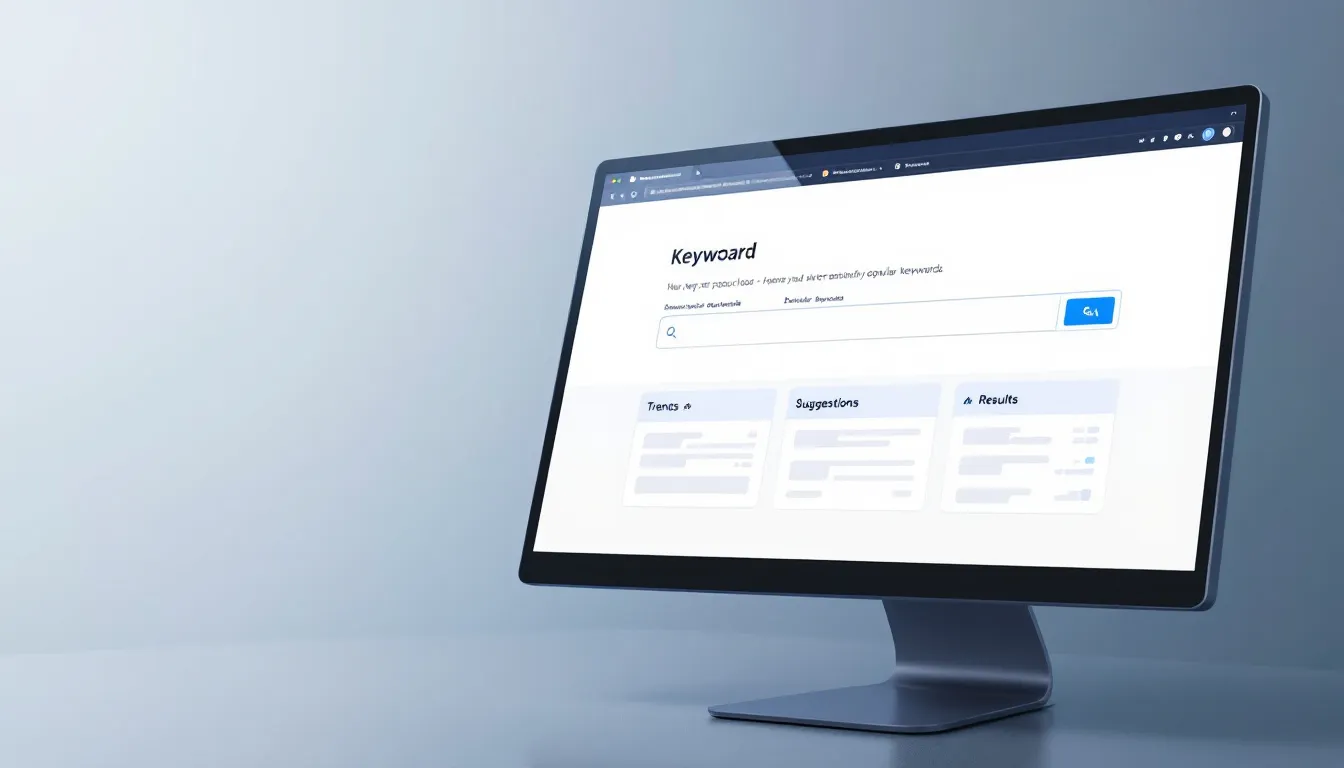
The tools you use make a big difference in how well you do. Here is a look at different tools:
Free Tools
- Google Ads Keyword Planner: Okay for getting a general idea, but not exact.
- Google Trends: Good for seeing how popular search terms are over time compared to each other.
- AnswerThePublic: Helps you think of keywords. It shows related keywords in groups.
- Ubersuggest (Free Version): Basic look at what competitors are doing.
Paid Tools
- Ahrefs: Very good for seeing what competitors do and getting data for both natural search and paid ads.
- SEMrush: A complete set of tools for paid ads, natural search, and social media information.
- SpyFu: Data on competitor ads and how things have changed over a long time.
- KWFinder: Easy to use and focuses on keywords that are not very competitive.
🔎 Using some paid tools and some free tools is usually the best way to go. Paid tools give exact help, and free tools give a broader view.
Step 8: Making Your PPC Campaigns Better with Current Data
Keyword research is just the start. Making things better over time helps you keep getting good results.
Keep track of these PPC numbers as they happen:
- CTR (Click-Through Rate): Shows if your ads are fitting for the keywords.
- Conversion Rate: Shows if the keyword leads people to do what you want on your page.
- Quality Score: Affects how much you pay per click and where your ad shows up.
Better tracking tools like UTM parameters and Google Analytics help you see how keywords lead to sales or getting people to contact you.
🔄 Check your campaigns every 2–4 weeks. Remove keywords that aren't doing well, add new ones, and make your targeting better.

Step 9: Big Problems to Stay Away From with Google Ads Keyword Research
Even people who have advertised for a long time make mistakes. Common ones are:
⚠️ Only bidding on keywords with lots of searches → This costs a lot of money and doesn't lead to many sales.
⚠️ Not using negative keywords → This wastes money on people who aren't interested.
⚠️ Using broad match keywords too much → This makes your ads less fitting for searches, especially on phones.
⚠️ Doing the same thing in all areas → Not understanding local ways of speaking and searching hurts clicks and return.
Stay alert. Doing well with PPC often depends on what keywords you decide not to go after.
Step 10: How Automation Helps Bring SEO + PPC Keyword Work Together
When SEO and PPC work together well, it costs less and helps you do better for a long time. Automation makes it possible to do this for many keywords at once.
Shared Keyword Data
Seeing data from both sides shows you where things overlap and where you are missing out.
Landing Pages Made with AI
Automatically create landing pages that are good for both natural search and getting people to do things. Base them on your PPC keyword list.
Example: A page for each city in a home services campaign. Use AI to write unique content for each city page.
Rank + Get Sales Together
If a keyword helps you show up naturally in search and leads to sales through paid ads, it likely means people searching for it are very interested and it's a good chance for you.
🎯 Working together = lower costs to get customers, customers who buy more over time.

Step 11: Example: How a Real Estate Business Used AI + Looking at Competitors to Cut Cost
Think about a real estate business that is growing and wants to reach people buying homes in Miami.
How They Did It:
- Used SpyFu to find keywords their competitors used, like “Miami real estate under $500k.”
- Checked how much clicks cost and how hard the keywords were using Ahrefs.
- Made over 50 landing pages for different locations using a tool that creates content automatically.
- Used AI to write Google Ads text for specific locations that fit the keyword groups.
💥 What Happened:
- The cost to get a customer dropped by 35%.
- Quality Scores went up by 22%.
- More people clicked the ads, and the ads fit better with what people searched for.
🚀 Lesson: Using automation and smart research helps you grow without spending too much.
Final Thoughts: Is Google Ads Enough? Not If You Want to Do Well
Google Ads is a good way to start. But on its own, it's not enough to keep up with others.
When you make your PPC keyword research better using AI tools, planning for different countries, seeing what competitors do, and making SEO and PPC work together, your campaigns won't just make more money—they will waste less.
Remember: advertisers who spend wisely usually get double their money back. If you add that fact to using data and automation for keywords, your results can get much, much better.
Written by
Rocket Agents
Part of the Rocket Agents team, helping businesses convert more leads into meetings with AI-powered sales automation.


Ready to Convert More Leads?
See how Rocket Agents can help you respond to leads instantly and book more meetings.